

Description
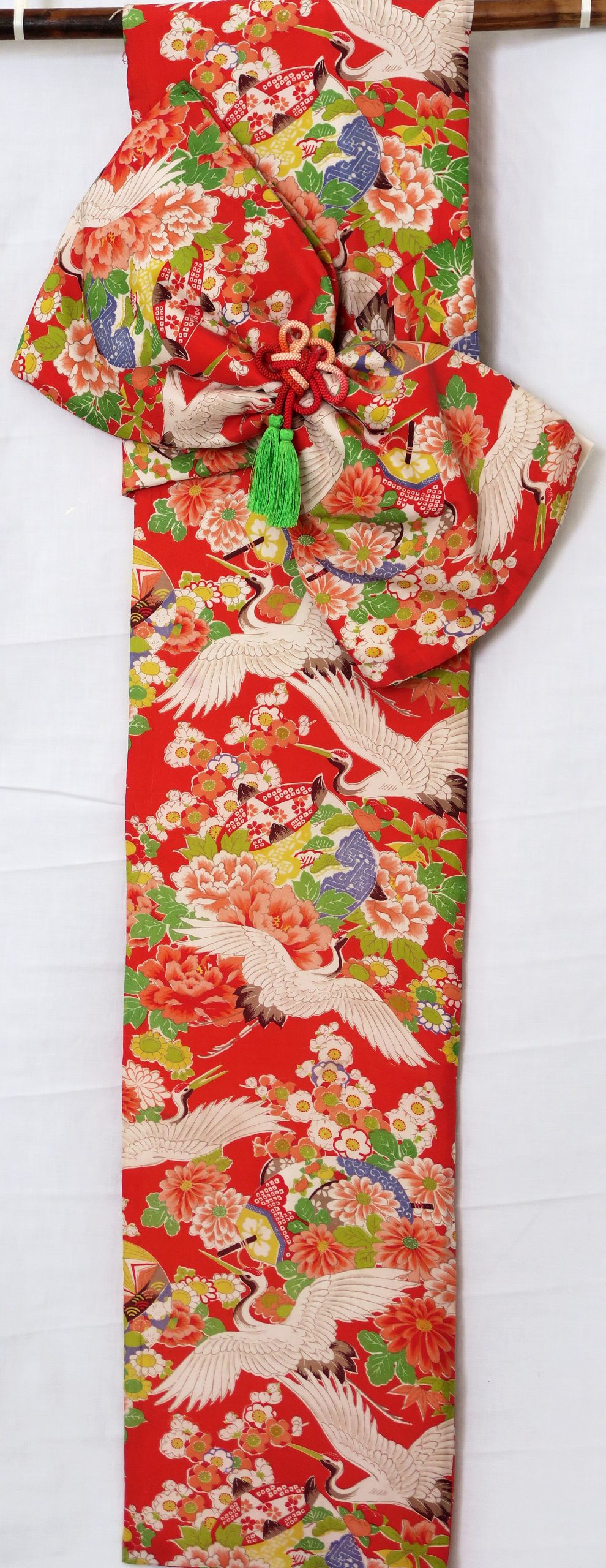
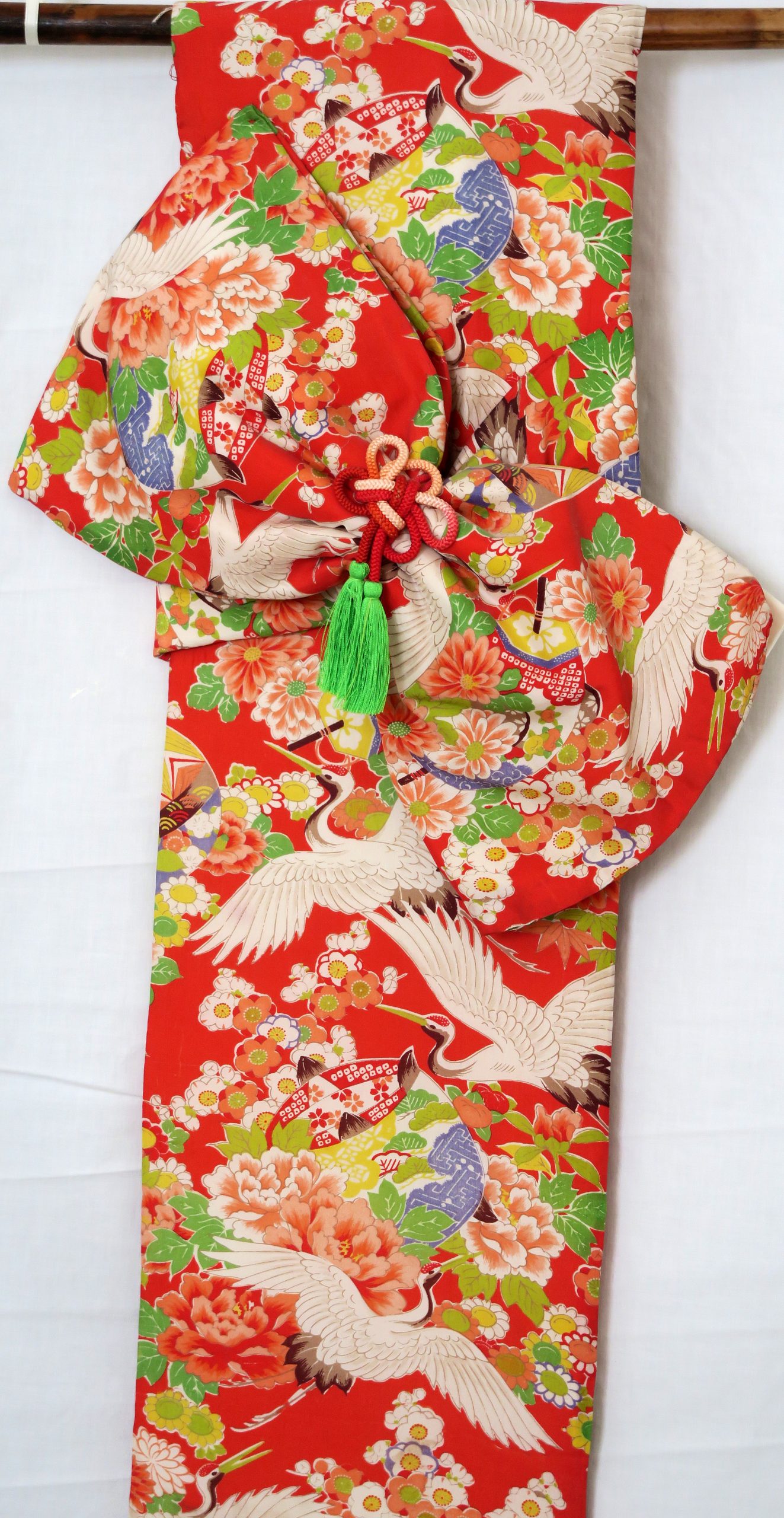
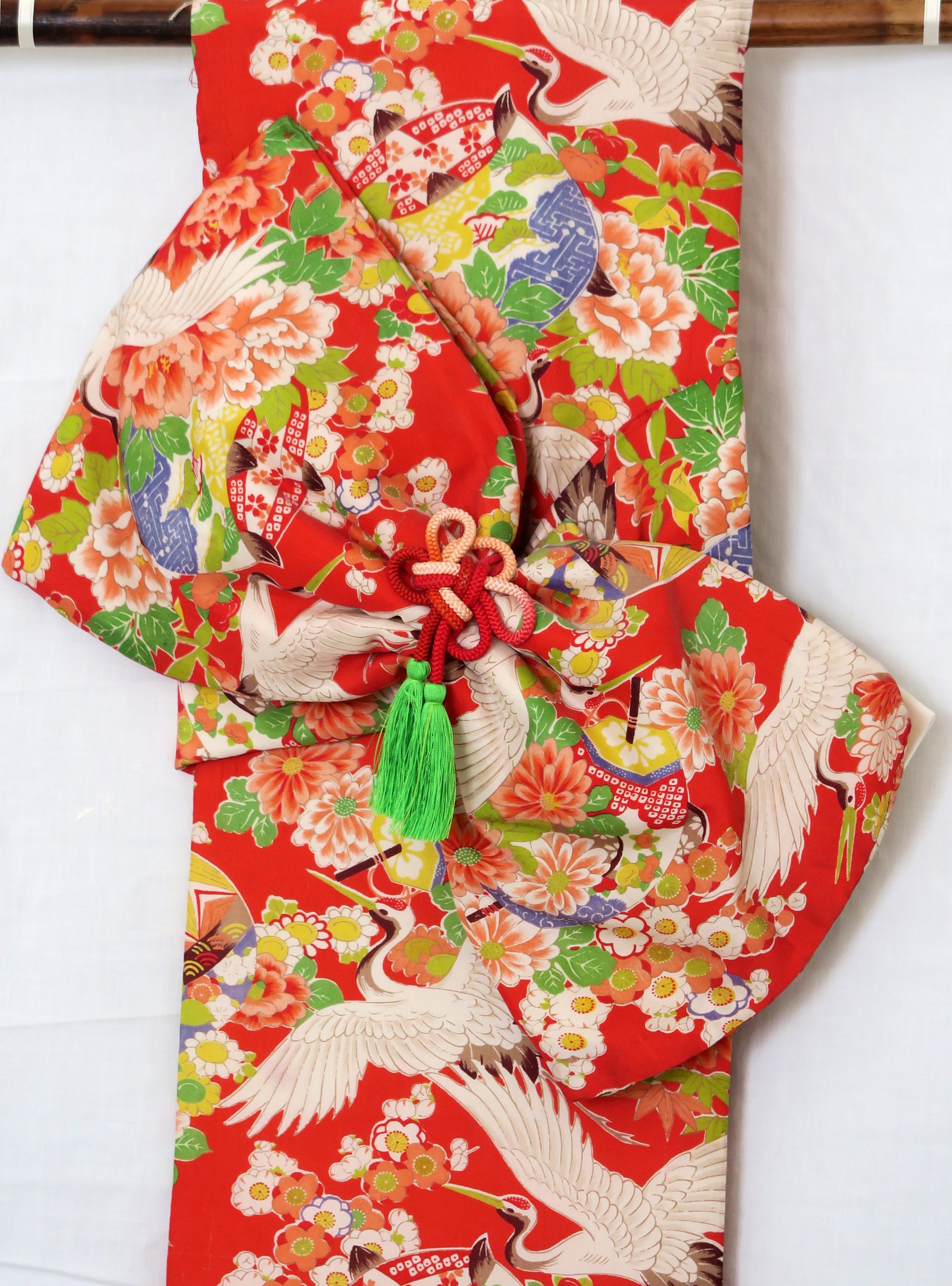
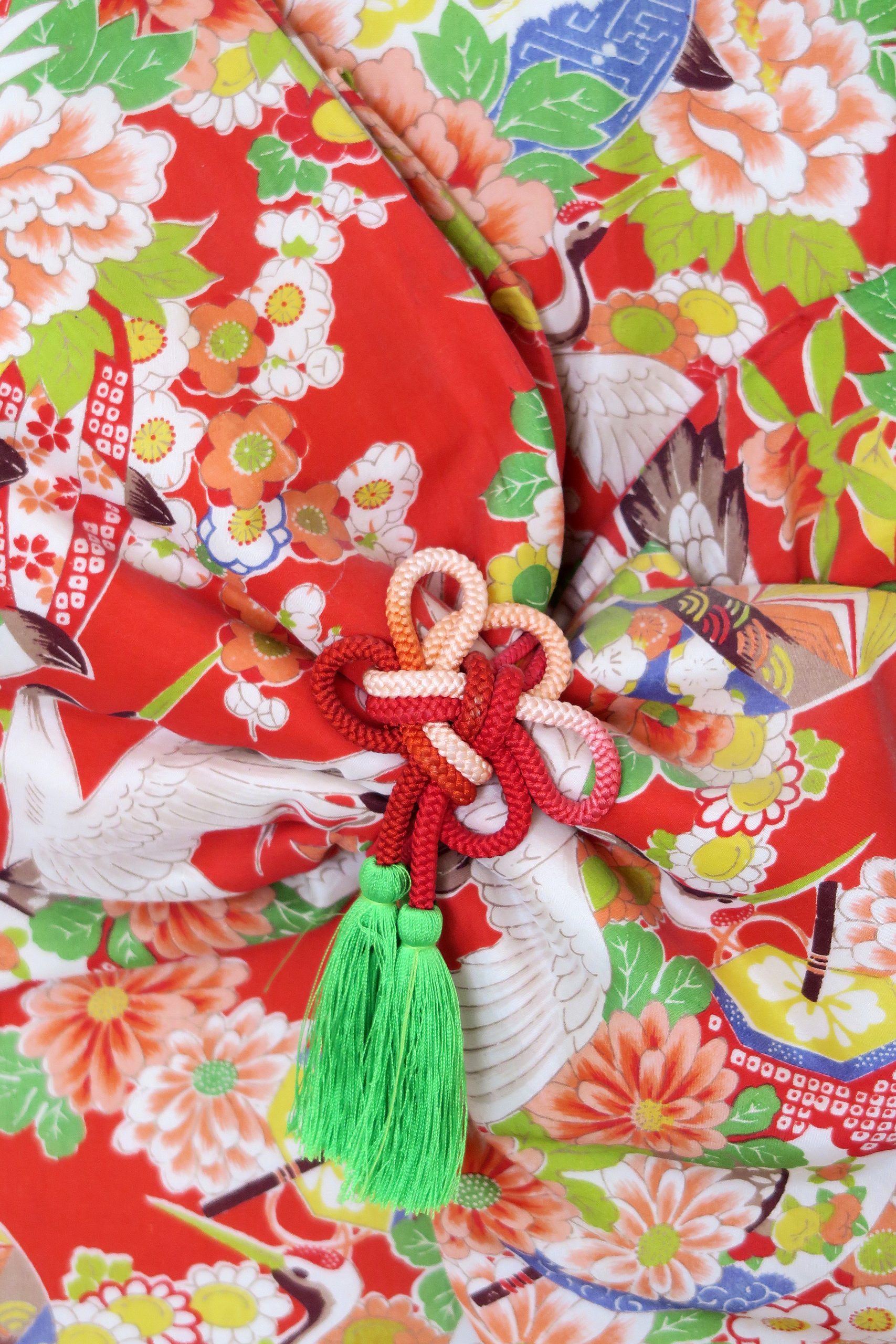
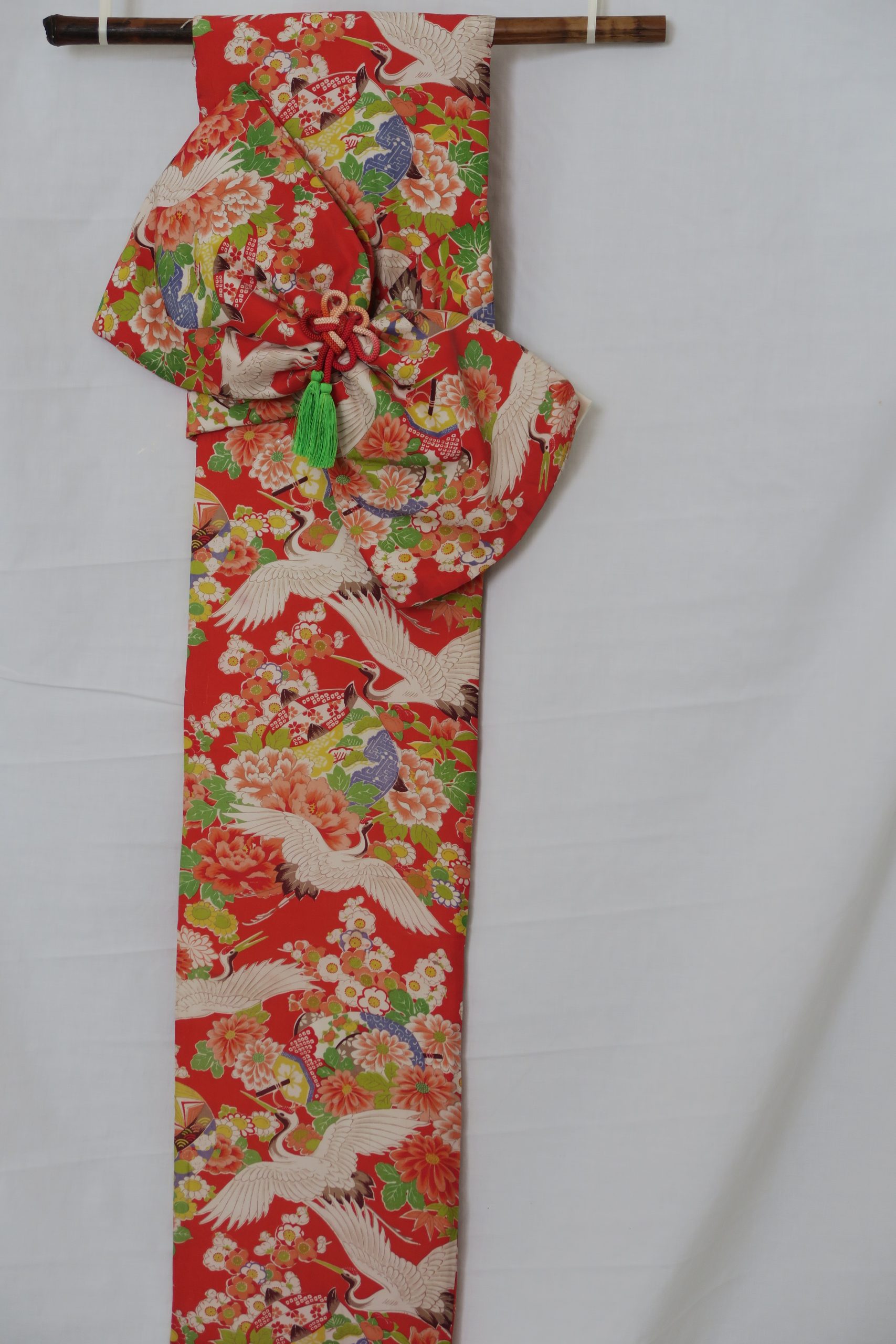
This is an extraordinarily rare, hand woven young female’s Silk Obi. It obviously belonged to a young girl of high social standing, as the intricate weaving of the fine silk and the hand stenciling are exquisite in their detailing. This stunning Obi has been intricately painted in the rare “Yuzen” style of the “Rice Paste Resist” or “Tsutsugaki” method. The Yuzen Rice Paste Resist technique was perfected around 1700 by the famous painter and fabric designer for whom it was named, and is distinguished by the fine white lines that remain around each element in the design. The subtle art of Yuzen painting incorporated the rice paste resist art of painting. It was a very tedious process that incorporated many steps, allowing each of the various colors to be applied by hand with a brush to the areas of the design, with the paste keeping the dye inside its borders. The fabric is then steamed to set the dye before rinsing out the paste in the river water. It is the delicate white lines outlining the colorful design elements that identify it as Yuzen. Although a stencil was used to create this incredibly elaborate design over and over again, it required the skill of a Master Artist to produce such an excellent work of art.
The brilliant motif includes many auspicious symbols: the pair of flying Crane (“Tsuru”) which represent good fortune and, oftentimes, longevity as legend has it that it takes the Crane 1000 years to fly to the sun; the stylized flower bouquets including Chrysanthemums (“Kiku”) which have long been associated with the Imperial Family; and the stunning Peonies (“Botan”) which also carry royal significance having been imported from China where they are the flower of the Emperor.
Because of the strong red background color, the design is much more prominent. Color is not just a matter of personal preference or taste in Japan, but subject to seemingly timeless rules reflecting shared cultural value. In the Orient, red has often been associated with the ritual (many bridal costumes are red) of the warding off of evil. Thus, the bright red of this young female’s Obi is intended to draw attention to her and to the fact that she is unmarried, as well as protect her and those around her from evil spirits. It is also considered a color of excitement and passion and has become such an important part of everyday Japanese life that it is the color of their personal signature or seal.
The tied bow is a typical obi design and the hand braided Silk Tie dates from the same era. This brightly colored and patterned Obi has been hand tied by a marvelous Japanese Artisan (herself of Samurai lineage) who created this artistic representation in order to display year around the beauty of this wonderful textile, as easily as one would hang a painting. Silk thread has been used on the back to support the tying of this Obi and the Bow has been restrained in place with a matching Silk hand tied “Obi-jime,” or cord that echoes the color and beauty of the Obi. The Obi-jime is as old as the Obi itself.